The Construction Industry Has a Profitability Problem
Every construction company wants to complete projects faster, reduce costs, and increase profit margins. Yet many firms continue to lose money because of inefficient processes, delayed decisions, poor communication, and limited visibility into project performance.
The reality is simple:
“A construction company can win a ₹100 crore project and still struggle with profitability if operations are not managed efficiently.
Today, AI, automation, and digital transformation are helping leading construction firms gain complete control over their projects, workforce, vendors, and finances.
The question is no longer whether technology should be adopted.
The question is how much money your business is losing by not adopting it.

Project Delays Are Destroying Profit Margins
One of the biggest challenges in construction is project delays. A delayed project doesn't just affect the timeline — it impacts the entire business ecosystem. By the time problems are identified, significant losses have already occurred.
When a project is delayed:
- ✓Labor costs increase
- ✓Equipment remains idle
- ✓Vendors demand schedule changes
- ✓Penalty clauses may be triggered
- ✓Client trust decreases
- ✓New project opportunities are delayed
How AI Helps
AI-powered project management systems continuously monitor project milestones, workforce productivity, procurement schedules, and resource allocation. Instead of discovering problems weeks later, management teams receive alerts in real time.
Identify bottlenecks early
Catch risks before they escalate into project delays
Reallocate resources instantly
Shift teams and materials dynamically in real time
Prevent schedule slippages
Proactive alerts stop delays before they compound
Improve completion rates
Deliver projects on time, every time
Result: Projects finish faster, costs remain under control, and customer satisfaction improves.
Manual Reporting Slows Down Decision-Making
Many project managers spend hours every week collecting updates from supervisors, preparing spreadsheets, and generating reports. Unfortunately, by the time reports reach senior management, the information is often outdated.
Manual reporting creates:
- ✓Human errors
- ✓Data inconsistencies
- ✓Delayed decisions
- ✓Poor visibility
- ✓Increased administrative workload
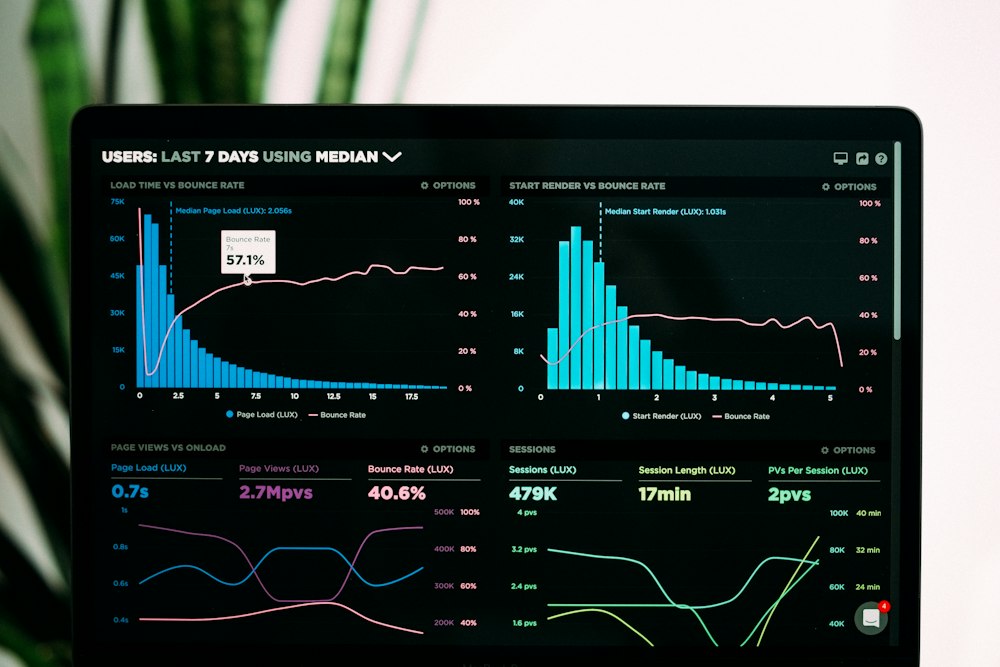
Automation brings all your project data together
Modern construction dashboards automatically collect data from sites, attendance systems, procurement departments, finance teams, and project management platforms.
Live project status
Real-time visibility into project progress, milestones, and on-site activities.
Cost tracking
Track budgets, expenses, and variances in real time to stay on budget.
Material consumption
Monitor materials usage and optimize inventory across all sites.
Workforce productivity
Gain insights into attendance, productivity, and workforce performance trends.
Budget utilization metrics
Analyze budget allocation and utilization across projects and departments.
Result: Faster decisions, reduced administrative costs, and better project outcomes.
Vendor & Contractor Management Becomes Complex at Scale
Construction companies often work with dozens or even hundreds of contractors and vendors. Managing them manually creates serious challenges. Without a centralized system, vendor performance becomes difficult to track.
Missed deadlines
Projects fall behind schedule due to delays.
Delayed deliveries
Late materials and services disrupt project timelines.
Procurement inefficiencies
Manual processes lead to wasted time and higher costs.
Quality control issues
Inconsistent quality impacts project outcomes.
Payment disputes
Lack of transparency leads to billing errors and payment delays.
How Digital Vendor Management Helps
AI-enabled vendor management systems provide complete visibility into the supply chain with automated onboarding, contract tracking, performance monitoring, delivery tracking, and automated payment approvals.
Result: Better vendor relationships, reduced procurement delays, and improved project execution.
Workforce Management Is Costing More Than You Think
Labor is one of the largest expenses in construction. However, many companies still rely on manual attendance registers and paper-based workforce tracking.

This creates issues such as:
- ✓Attendance fraud
- ✓Overtime miscalculations
- ✓Low productivity
- ✓Compliance challenges
- ✓Inaccurate payroll processing
How Workforce Automation Helps
Smart workforce management systems provide mobile attendance tracking, geo-location verification, shift management, productivity monitoring, and automated payroll integration. Managers can monitor workforce performance across all sites from a single dashboard.
Result: Reduced labor costs, improved accountability, and increased productivity.
Slow Invoice Approvals Impact Cash Flow
Cash flow is the lifeline of every construction business. Unfortunately, invoice approvals often involve multiple departments and stakeholders, creating bottlenecks that ripple through the entire operation.
Delayed payments
Late approvals push payments further out, straining cash flow.
Vendor dissatisfaction
Payment delays can damage vendor relationships and trust.
Cash flow bottlenecks
Approval delays create gaps that slow down your entire operation.
Project disruptions
Cash flow gaps can lead to delays, rework, and missed deadlines.
Administrative inefficiencies
Manual tracking, follow-ups, and escalations waste time and resources.
How AI Workflow Automation Solves This
AI-powered workflows automate approval processes by routing invoices to the right stakeholders instantly, delivering faster approvals, reduced paperwork, improved compliance, better financial visibility, and stronger vendor relationships.
Result: Improved cash flow and smoother project execution.
The Power of Predictive Analytics in Construction
Imagine knowing about a project delay before it happens.
Imagine identifying cost overruns before they impact profitability.
Imagine predicting equipment failures before they stop operations.
This is exactly what predictive analytics delivers. By analyzing historical and real-time project data, AI can predict risks before they become problems — moving construction companies from reactive management to proactive decision-making.
Schedule Delays
Budget Overruns
Resource Shortages
Procurement Risks
Equipment Maintenance Requirements
Result: Reduced risks and significantly higher profitability.
What Digital Transformation Means for Construction Companies

Construction is no longer just about bricks, steel, and concrete. It is increasingly becoming a data-driven industry. Companies that leverage technology gain advantages across every dimension of their operations.
Project execution
Cost management
Workforce productivity
Vendor coordination
Risk management
Client satisfaction
Profitability
The companies embracing AI today are positioning themselves as industry leaders for the next decade.
How We Help Construction Companies
We work with construction firms, infrastructure companies, real estate developers, EPC contractors, and engineering organizations to build intelligent digital solutions.
Our expertise includes:
“Help construction companies reduce operational costs, improve efficiency, increase project visibility, and maximize profitability.
Most construction companies believe they have a revenue problem. In reality, they have an efficiency problem.
Every delayed approval, missed deadline, manual report, procurement issue, and workforce inefficiency quietly reduces profitability. Technology cannot eliminate every challenge in construction — but it can help companies make faster decisions, reduce waste, improve accountability, and operate at scale.
The construction companies that embrace AI and automation today will be the ones leading the industry tomorrow. If your organization is looking to improve project delivery, reduce operational costs, and increase profits, now is the time to begin your digital transformation journey.
Start Your Digital Transformation →